Inside the World of Online Casino Gaming
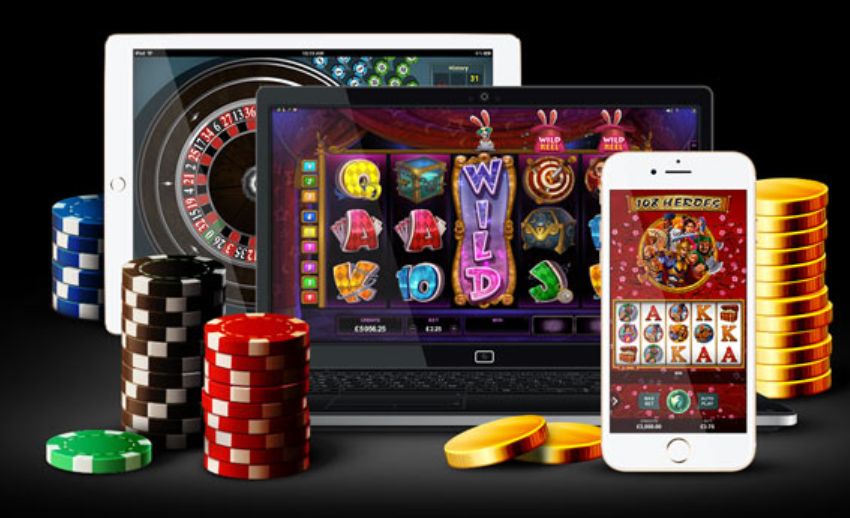
Online casino gaming has grown from an experimental internet novelty into one of the most widely used forms of digital entertainment worldwide. The first virtual casinos appeared in the mid-1990s, offering simplified versions of classic games through slow dial-up connections and basic graphics. Since then, broadband internet, powerful mobile devices, and encrypted payment systems have removed nearly every practical barrier to entry. Players can now open an account, deposit funds, and start playing within minutes, all without leaving their homes. This convenience has drawn in a broader and more diverse audience than traditional brick-and-mortar casinos ever could, spanning generations and geographic regions. As the market has expanded, competition among operators has driven constant innovation in game design, bonus structures, and user experience. Understanding the different categories of games available offers a useful starting point for appreciating why this industry has become so deeply embedded in modern entertainment culture.
Slot games form the backbone of most online casino platforms, drawing in the largest share of both players and revenue. Their appeal lies in simplicity: there is no need to learn rules or strategy, just spin the reels and see what happens. Developers have layered in elaborate themes inspired by history, fantasy, film franchises, and pop culture, each accompanied by distinctive soundtracks and animations. Bonus features such as free spins, expanding wilds, and pick-and-click mini-games add variety and keep repeat play engaging over time. Progressive jackpot slots link player wagers across multiple platforms, occasionally producing prize pools worth millions of dollars to a single lucky spin. Behind the visual flair, certified random number generators ensure that every outcome is statistically independent and fair. This combination of accessibility, variety, and occasional massive payouts explains why slots remain the dominant game category across almost every regulated online market.
Classic table games continue to hold a devoted following among players who prefer an element of skill or calculated risk over pure chance. Blackjack is often cited as the table game with the best odds for players, particularly when basic strategy is applied consistently. Roulette offers a more relaxed pace, with players choosing from single numbers, colors, or broader groupings, each carrying different odds and payout ratios. Baccarat has surged in popularity partly due to its simple three-outcome structure and its long-standing association with high-roller culture. Poker stands apart from the rest, since players compete against one another rather than the house, turning skill and psychology into decisive factors. Online poker rooms cater to every level of experience, from free-to-play tables to high-stakes tournaments with substantial guaranteed prizes. Collectively, these games give online casinos a strategic dimension that appeals to a different type of player than slot enthusiasts.

Live dealer technology has reshaped expectations for what an TFBO online casino experience can feel like, closing much of the gap between virtual play and an in-person visit. These games broadcast real dealers working with physical cards, dice, or roulette wheels from dedicated studios, streamed to players in real time. Betting happens through a digital interface layered over the video feed, letting players place wagers just as they would at a physical table. The format has become especially popular for blackjack and baccarat, where the presence of an actual dealer adds a sense of authenticity that purely digital games lack. Chat functions allow players to interact with dealers and sometimes other participants, recreating some of the social atmosphere found in physical venues. Several studios have introduced game-show style formats, complete with hosts, oversized wheels, and interactive bonus rounds that blend gambling with broadcast entertainment. The combination of realism and convenience has made live dealer games one of the fastest-growing segments of the industry.
Mobile technology has fundamentally altered how and when people engage with online casino games. Dedicated apps and mobile-optimized websites have replaced clunky desktop ports, offering faster load times and interfaces built specifically for touchscreens. This shift has encouraged shorter, more frequent gaming sessions, often squeezed into moments of downtime such as commuting or waiting for an appointment. Game designers have responded by creating titles with quick rounds and instantly gratifying feedback loops suited to this fragmented style of play. Features like biometric login, push notifications, and mobile-exclusive promotions have further deepened engagement with smartphone users specifically. Payment integration has also improved, allowing deposits and withdrawals through digital wallets and banking apps without ever touching a desktop computer. As a result, mobile devices now account for the majority of traffic on most major online casino platforms, a trend that continues to grow year over year.
Trust and regulation underpin the entire online casino industry, even though standards differ significantly from one jurisdiction to the next. Licensed operators are typically required to undergo independent audits verifying that their games produce fair, random outcomes consistent with published odds. Regulatory bodies also often mandate responsible gambling tools, including deposit limits, session time reminders, and self-exclusion options for players who wish to take a break. Secure encryption protects financial transactions, while segregated accounts ensure that player funds remain separate from an operator’s business capital. Despite these protections, unlicensed offshore platforms persist, sometimes luring players with attractive bonuses but offering little recourse if disputes arise. Experienced players are generally encouraged to verify an operator’s licensing credentials before making a deposit, checking for recognition from a credible regulatory authority. This regulatory framework, while still evolving, has substantially strengthened player confidence in the legitimacy of licensed online casinos.
The future of online casino gaming appears set to be shaped by a new wave of emerging technologies. Virtual reality platforms are beginning to offer fully immersive casino floors where players can move between tables and interact with lifelike avatars of other participants. Blockchain-based casinos are experimenting with cryptocurrency payments and transparent, provably fair algorithms that let players independently verify each outcome. Artificial intelligence is being deployed behind the scenes to personalize game suggestions, flag potential problem gambling behavior, and improve customer service response times. At the same time, traditional favorites like slots and table games continue to receive incremental upgrades in graphics, sound design, and bonus mechanics. Regulatory frameworks are also expected to mature alongside these technological shifts, aiming to keep pace with an industry that rarely stands still. Taken together, these developments suggest that online casino gaming will remain a dynamic and permanent fixture of digital entertainment for years to come.